
The Seabees Arrive: Operation Bobcat and the Base That Reshaped Bora Bora
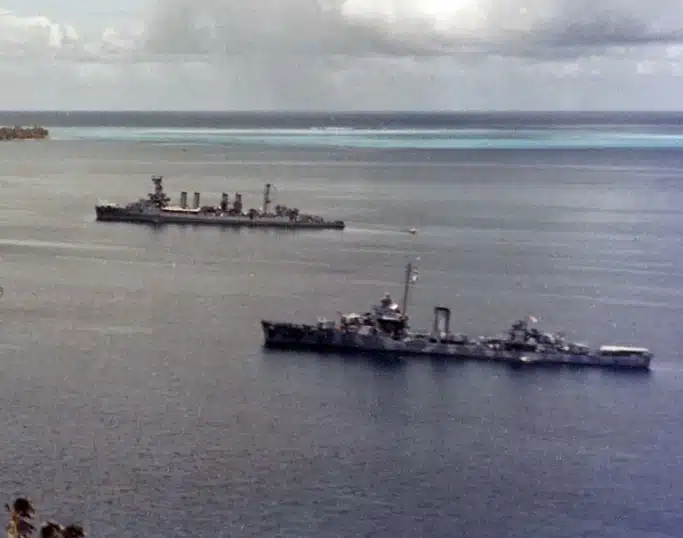
On 17 February 1942, a convoy of U.S. ships entered Teavanui Pass and anchored in the lagoon off Vaitape and Faanui. The island, then home to roughly 1,200 people, suddenly had several thousand American troops and a mountain of cargo to unload. The codename was Bobcat. It was one of the first major American bases built from scratch after Pearl Harbor, chosen because the lagoon offered a deep, sheltered anchorage with only one controllable entrance.
Unloading an Island
The force included Army units (notably elements of the 198th Coast Artillery) and the Navy’s early Construction Battalions, the Seabees. Unloading took weeks. Only two small coral piers existed. Cargo had been loaded in Charleston in a hurry, so critical equipment sat buried under secondary supplies. Fresh water was limited. The men learned hard logistics lessons that later operations used.
What the Seabees Built
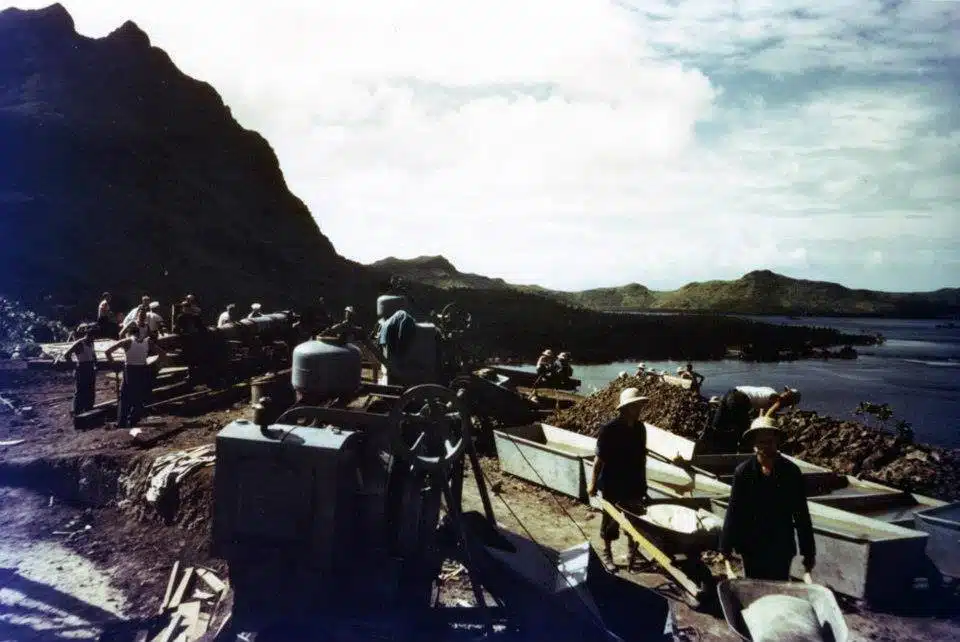
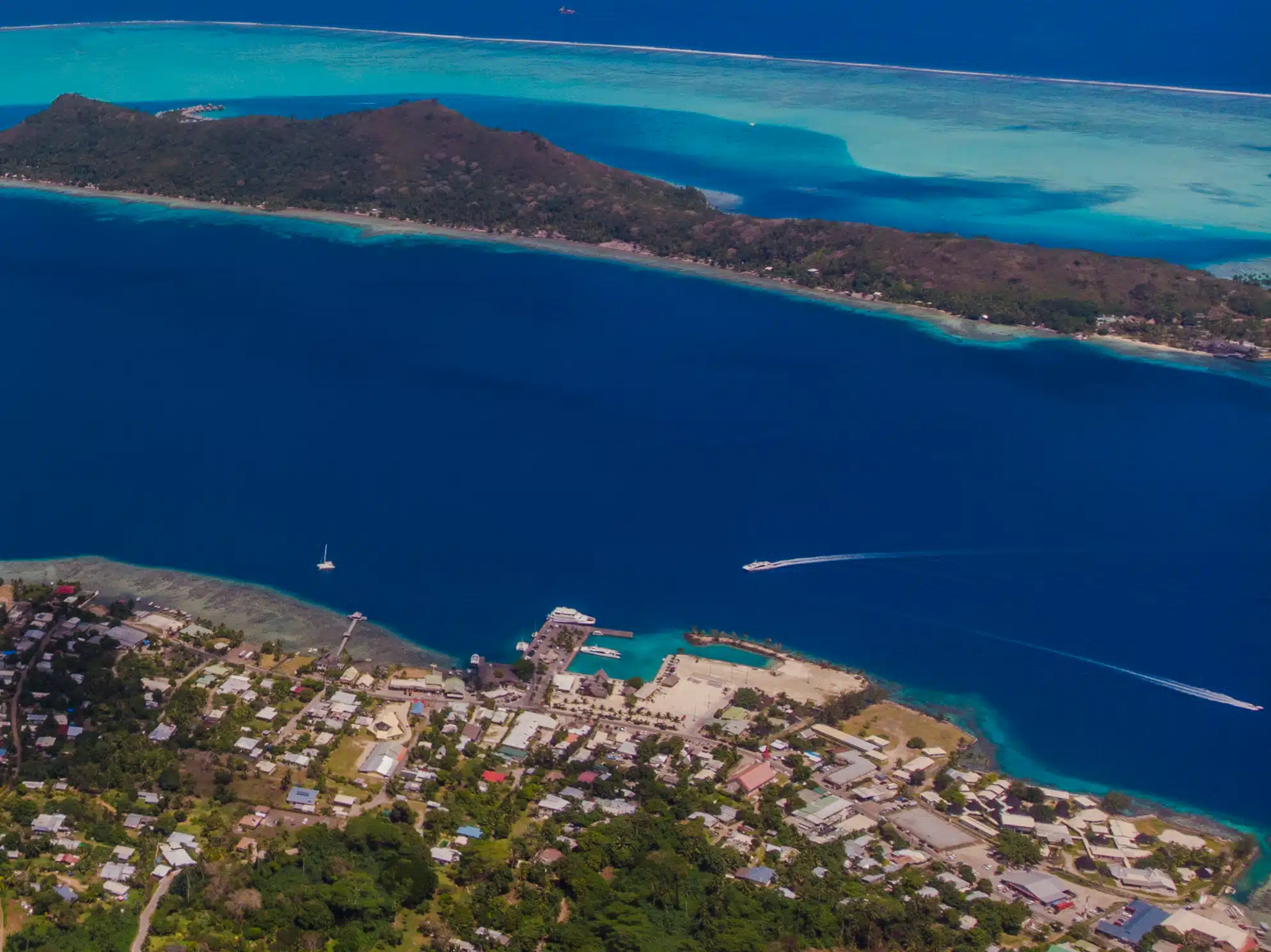
The Seabees’ work was straightforward and heavy. They built docks and a quay at Vaitape that still forms the basis of the commercial port. They installed a fuel depot (roughly twenty tanks of about 10,000 barrels each for fuel oil, heavy oil, and aviation gasoline) so ships on the southern route to Australia and New Zealand could refuel without risking the northern approaches. They blasted and improved the pass so larger vessels could enter more safely. Roads were cut or widened around the island to move equipment and supplies.
On Motu Mute they constructed two runways (one roughly 1,800 meters for bombers, a shorter one for fighters), operational by April 1943. That airfield is still Bora Bora Airport today.
Bobcat by the numbers
- 17 February 1942: convoy enters Teavanui Pass
- About 1,200 islanders at the time
- Fuel depot: roughly twenty tanks of about 10,000 barrels each
- Motu Mute: bomber runway of about 1,800 meters
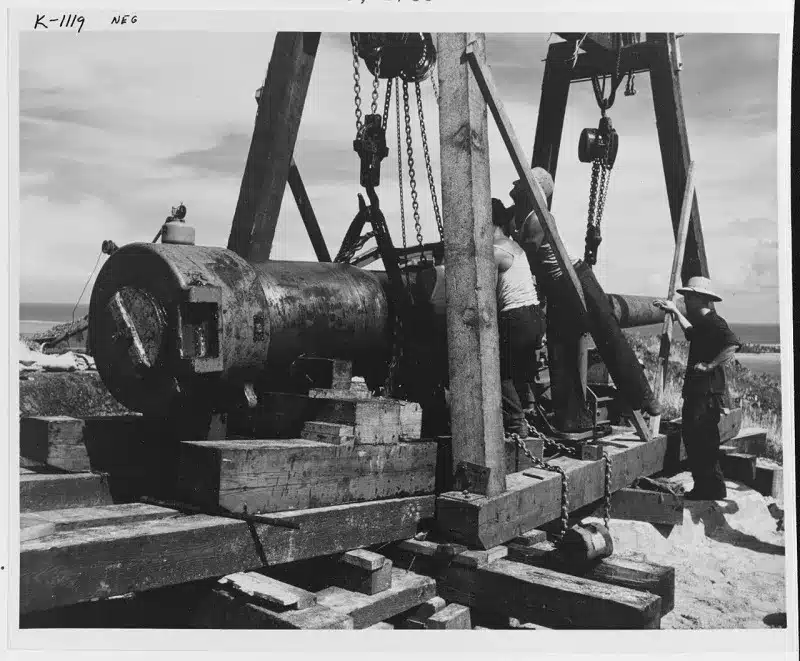
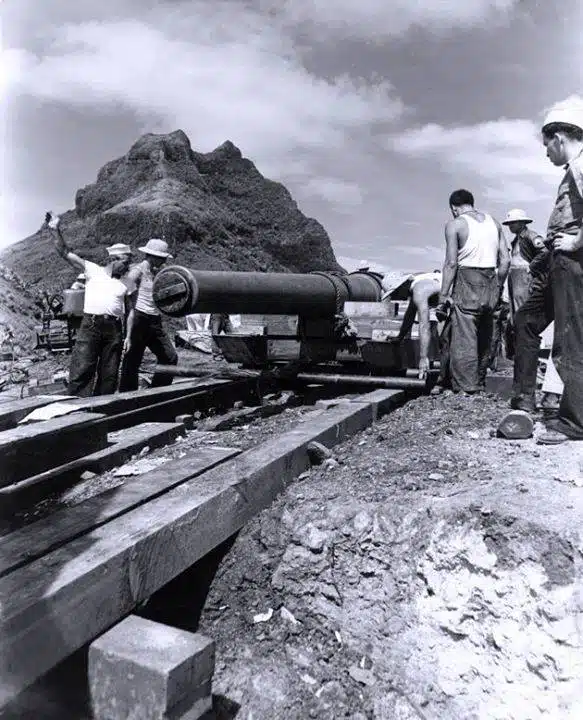
- Eight 7-inch naval guns at four sites
- More than 1,000 ships serviced; base closed 2 June 1946
They were never fired.
The eight 7-inch guns of Bora Bora
The Guns That Never Fired
Defensive guns went up at four points around the island: near Faanui/Pahua, Tereia, Fitiiu/Haamaire in Anau, and Matira. Eight 7-inch naval guns were hauled into position, some on skids up steep slopes. They were never fired. After Midway reduced the Japanese naval threat, the base shifted to standby and closed officially on 2 June 1946. More than a thousand ships had been serviced there.
What You Can Still See Today
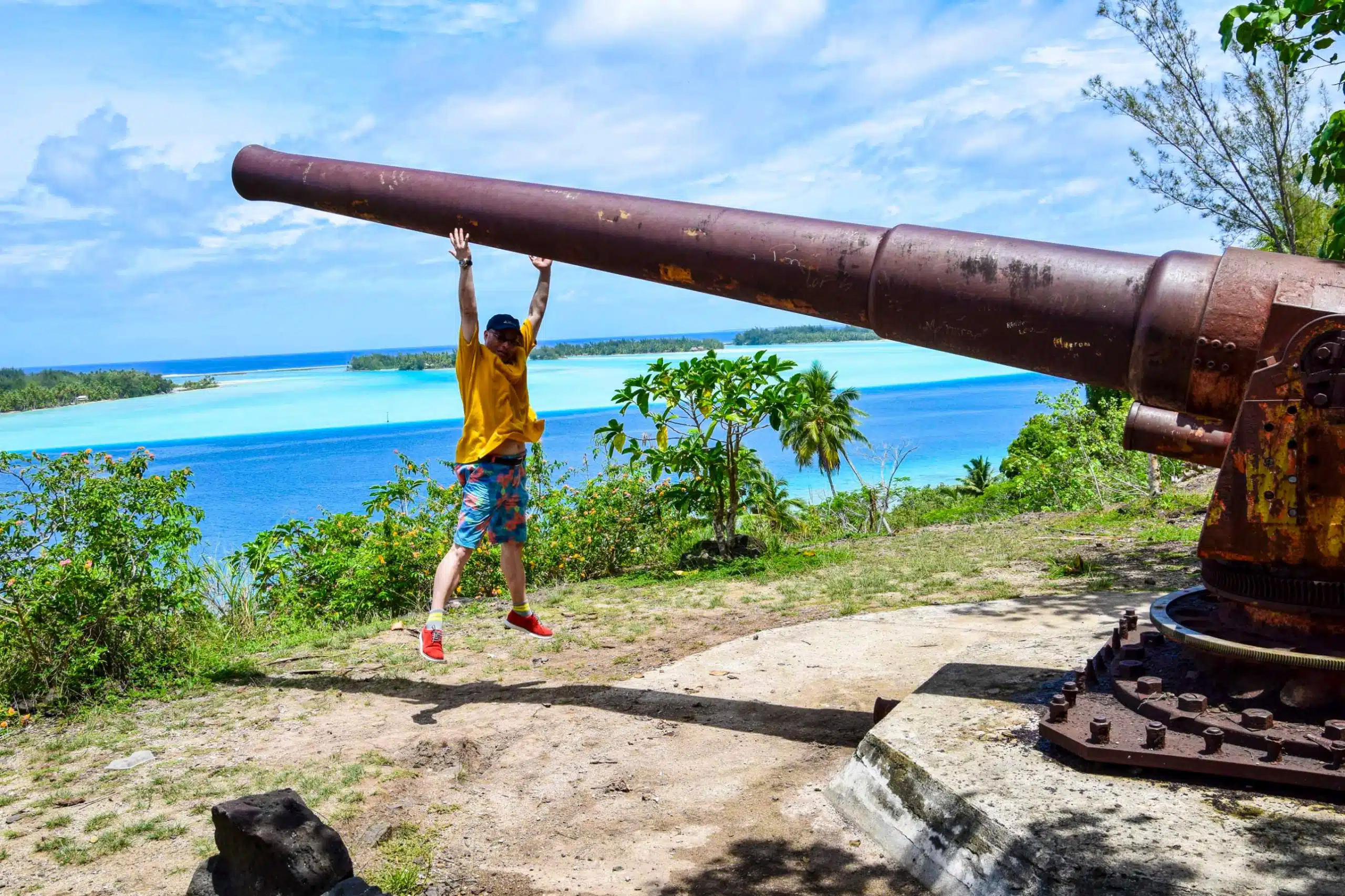
What remains visible are the guns (most still in place), bunkers, sections of road, and the airfield. The practical infrastructure the Seabees left (docks, roads, water systems, and the runway) shaped how the island functions today, long after the troops left.
See it with a guide
All of the island’s WWII sites are visited with a guide. We recommend booking a guided tour with Bora Bora Activities Center ahead of your trip, as departures are small. See our Tours page.
Vaitape, where the Seabees built their quay, is about 7 km from Fare Manava, 12 km from Fare Luna and Fare Toerau, and 13 km from Sunrise Villa. Stay with us, book direct, and we will help arrange your guided WWII tour. Check availability and book direct.
Sources
- Ships in Teavanui Harbor, February 1942: Official U.S. Navy photograph 80-G-K-1117, National Archives / Naval History and Heritage Command.
- Gun emplacement photographs 80-G-K-1119 and 80-G-K-1125: National Archives.
- Seabee history: Naval History and Heritage Command and U.S. Navy Seabee Museum collections (history.navy.mil).
This is part 1 of our Bora Bora in WWII series. See also: Hidden WWII Relics Along Bora Bora’s Coast.
